
Por Letizia Rivera-Guzmán
Seventeen years before Puerto Rico abolished slavery, cholera spread through the entire island in 1856 causing the death of approximately 5,469 enslaved individuals.
“Celestina, wake up! We have to go,” whispered Luisa, her mother, as she roused the young girl out of her slumber.
Celestina woke up in the middle of a December night, still tasting vomit. Her body, dark, scrawny, thin, and hurt. She had been suffering from a fever for days, sweating thanks to the subtropical atmosphere of a little island at the tip of a triangle of haunting seas. The young girl had quit being useful in the sugar cane plantation estate of Don Carlos Varsallo like most of the enslaved and the workers.
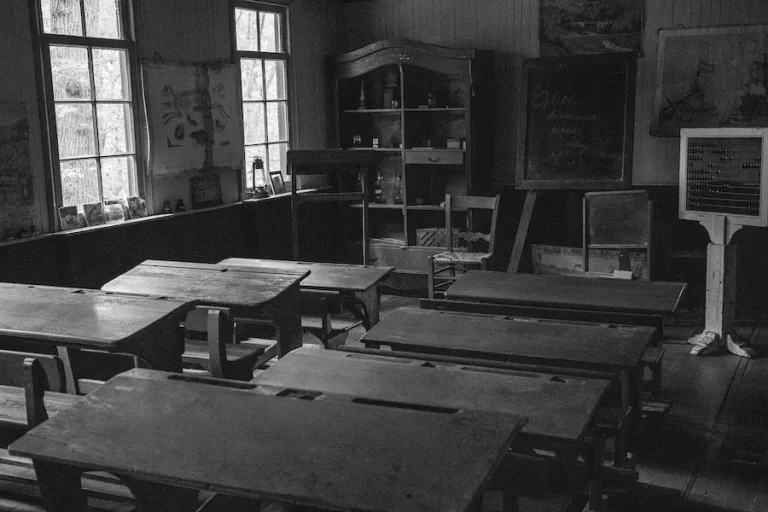
His house was not too big, shaped like a corner with five rooms, perfect enough for a family of three. Celestina spent most of her time working around the house’s railing; sometimes she peeked through slips of the windows to see the inside. The Varsallo bedroom was the largest room. The only people she ever saw go in were her mother and another woman her age.
Celestina could mostly see the dining room from the main entrance. Two double sided wooden doors that greeted all Varsallo’s guests. And then there was that one little room that held all of the discarded hobbies of the Varsallos. Different eras were intertwined like the old collections of the Spanish novelas next to the compact sewing kit collecting the flickering dust of an empty house. But far more precious were the moldy self-portraits of the daughter of the house, Josefa Escolástica.
In her paintings, Josefa’s eyes had a dark gleam that Celestina recognized on her own when she saw her reflection in the Río de la Plata¹, the River of Silver. The girl hid her frown, trying not to think of the river and the kind of ghosts that lived in it, refusing to fall for the scary stories her mother told before bed.
The small girl looked at Luisa, who was fixing up her clothes; she glanced at the bruises that lined her dark skin from her face to her legs. Ever since Josefa Escolástica the heiress of the
plantation had died of a broken heart, Don Varsallo had been ruder to the maids. Luisa never liked to talk about their master’s behavior.
The air on the balcony at night was not sufficient to console Celestina, who could make out the sugar mill in the distance flowing with the Río de la Plata. Her mother’s plans to cure her illness were not working; the workers called it cholera and it had reached all of Puerto Rico about a week before she got sick. Those workers, usually sunburnt by working long daytime shifts ,were gone by the time the sky let the stars shine. Unfortunately, thanks to the severe pain in her head, Celestina could not appreciate the view. She felt herself shrink.
“Mami, where are we going?”
“To the river. You need to stay hydrated..”
“Why? What happens if I don’t? Wait- what if the soldiers see us?”
Celestina was suspicious of her mother’s proposal. It sounded far too similar to the escapades of past enslaved people she heard from rumors. Rumors found in the nighttime gossip of the other maids and not in the loud and imperative readings of Don Varsallo’s morning newspaper. She wished that she could be tall enough to read it for him over his shoulder, but she was barely as tall as her mother, and she did not know how to read.
Celestina ignored her spiraling thoughts, grabbed her skirt and let her mother guide her through the prickly sugarcane field.
“Mami, how are we going to get back to the house? Are we swimming? I don’t know how to swim,” Celestina admitted with shame, terrified of the possibility of drowning.
Luisa rolled her eyes and took a deep breath.
“Be quiet. And be vigilant.”
Although the Varsallo estate was not her home in a traditional sense, Celestina began to miss its creaky wooden floors and off-putting paintings. She had the feeling that her mother was hiding something, as if they were not going to return.
“My head hurts. And my legs.”
Luisa bit her lip and kissed her daughter’s forehead softly.
“We are going to the Ox’s Eye. We will be safe there until morning.”
Celestina nodded, ignoring the headache and drowsiness, and letting her mother guide her through the bright night.
***
Quietly, the two walked by the red mud at the edges of the Río de la Plata which surrounded the Varsallo plantation. Frondous trees of varying shades of green covered them from the full moon and the firelight of the town, Dorado. Celestina felt that they were being watched and on more than one occasion she glanced at the river. A silver kind of mist had formed by the trees, making it difficult to spot a figure on the other side.
“Mami, I think someone is drowning in the River.”
She was lying, of course; someone was walking on the water, taking slow steps toward the mother and daughter, whispering to Celestina, “Come to me and I will show you the truth.”
Paralyzed, Celestina thought about how the voice had a familiar tingle she recognized. It couldn’t be.
Luisa, either ignoring her or genuinely too distracted to notice her daughter’s plea, pushed forward with Celestina to Dorado. Suddenly, she stopped and turned to her daughter, holding her shoulders softly although they still ached.
“Drink,” she demanded with a desperate look in her eyes, “It will take us an hour to reach the Ox’s Eye.”
“Drink. Then we will reunite,” echoed the voice.
Celestina, staring at the river’s surface, stood still and trembled. Maybe it was the moonlight that made the fresh water look especially silver or the cholera playing tricks on her. But cholera did not cause hallucinations.
“Do you believe in ghosts, Mami?”
“No,” Luisa looked at her sideways, “Are you afraid of la Niña de la Plata²? Dear, she’s just a story.”
Celestina inspected the figure walking on water. She was a lady of long, dark hair with skin that was too pale, draped in a silver nightgown. Her lips were blue and swollen while her gaze was as it had always been on Celestina, like she was a stained cow.
“Hey! What are you doing down there?” yelled the voice of a husky man from above.
Firelight moved closer to illuminating them, so, Luisa pushed Celestina with full force into the depths of the river. A loud booming sound echoed in the night, the kind that came from the firearms the capataces³ hid in their holsters before aiming them at the plantation workers.
Rushing to the surface for air in silence, Celestina let the river’s tide take her to the sea. She could see from the distance a crowd forming by the Silver’s edge and a limp, dark body was being taken away by two soldiers. Salty water from her eyes contaminated the fresh river.
“Let me show you a different world. Drink,” Celestina felt the raspy whisper of la Niña de la
Plata to her core. She kept her mouth shut.
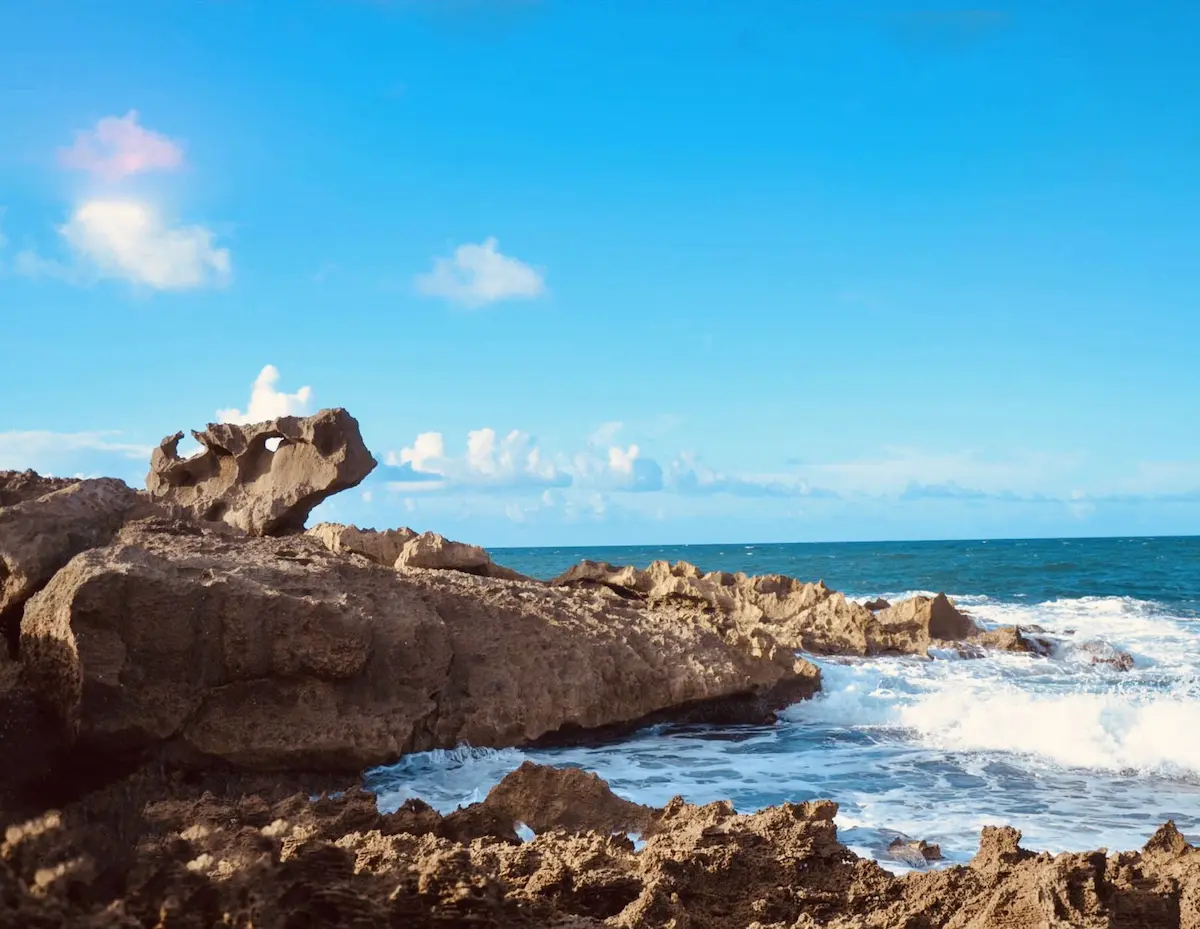
The River of Silver ended at an estuary close to the Ox’s Eye, a curious formation of dark
volcanic rock that mimicked an ox head which was hidden by bushes of green sea grapes. Heaving and huffing, Celestina looked sadly at the missing green fruits as she took an upward climb to the Ox. The small girl still felt drowsy; her stomach churned when there were no acidic fruits or water to console it.
The long, foamy white waves crashed on the volcanic ox, serene and still unlike the sea, and the air tasted of salt. Still struggling to breathe, Celestina laid down by the sea grapes while she stared at the weird rock amalgamation. Through the one eye it had, she caught sight of a glimmer of a silver mist beaming with moonlight. The waves crashed again, higher than before, and after they fell la Niña, the Silver Lady, was there with an arm stretched out to her. Her palm was open to be grasped.
“Come to me, little girl, and I will give you the water you need to survive,” the Silver Lady walked closer to hunch over Celestina, “You will be free.”
“What happens to me when I do? Do I owe you? Will I be yours?”
“You are already mine,” la Niña snarled, a dark glint in her eyes. Celestina saw that she still had that same triangular nose as her father. La Niña continued, “I own you as I do those oxen of the sugar mill.”
“You are dead, Josefa,” Celestina whispered, no longer able to control her legs, her headache, or her drowsiness, “You own nothing.”
La Niña de la Plata touched the dark skin of the girl, feeling it dry and tough; however, it was softer than the rock that embraced her feet. Her touch was cold. The young girl drifted away as the white waves left the pair alone with the full moon and the stars. The lady grasped her shoulders; she cursed and whimpered as she shook her.
“Oh no,” her efforts were not waking Celestina, “This… It’s not fair. I do not deserve this.”
Josefa Escolástica had failed herself, for she could not tell Celestina the truth without fulfilling the Varsallo need to be above someone of her status. She lost it all with her suicide: the love of her father, of her fiancée, of her mother, and of…
“You’re Varsallo too,” she whispered, begging silently that her half-sister would hear her.
Celestina had most definitely inherited the stubbornness of Don Varsallo, who never even thought of claiming her as a legitimate child. La Niña de la Plata, shaking and trembling, turned back to the full moon, making her appear like mist of the foam waves. She returned to the Río de la Plata, haunting for love without an ox to guide her in the dark.
Glossary:
¹translated roughly to River of Silver, a river that stretches from the towns of Guayama to Dorado in Puerto Rico.
²translated roughly to The Girl of Silver, a legend from Dorado about a heiress of the Carlos
Varsallo Estate who dies of a broken heart. Also referenced in the story as the Silver Lady.
³the supervisors of sugar cane plantations; were of a higher rank to plantation workers.
Cuento reconocido por el World Oxford Dictionary en la competencia internacional Ink of Ages el 17 de noviembre de 2025.